Source Double Girder Beam Launcher for building and bridging
Find 30 Double Girder Beam Launcher units with varying lifting capacities up to 120 tons and spans from 10 to 70 meters. Buyers can compare specifications for building and bridging applications, including control methods and power sources.
Key considerations
Products List
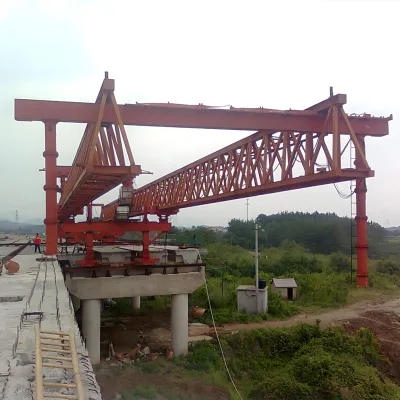
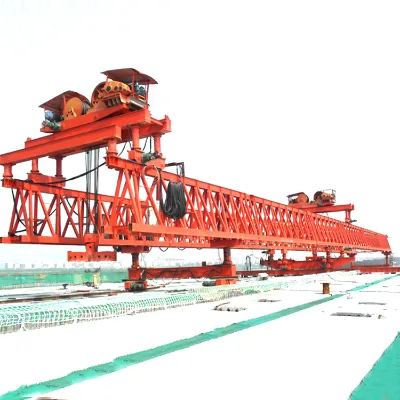
New design 120t guide beam settled u type subway bridge erecting Beam Launcher Crane
$170000.00 - $173000.00
MOQ: 1 sets
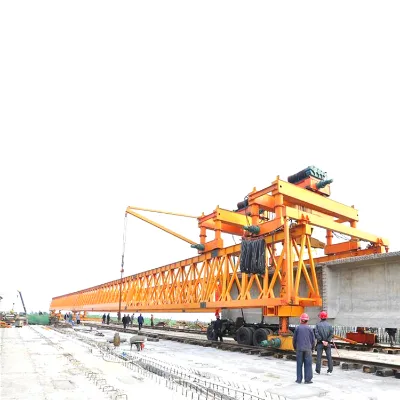
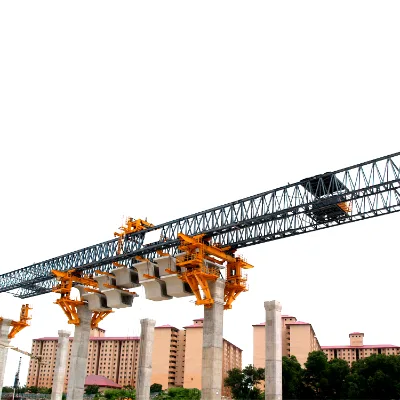


High Quality 300t Bridge Bridge Launcher Hydraulic Bridge Girder Launcher
$99999.00 - $3999999.00
MOQ: 1 Sets


Bridge Launching Girder 180t Beam Launcher Crane for Erecting Concrete Girders
$80000.00 - $3999999.00
MOQ: 1 Sets

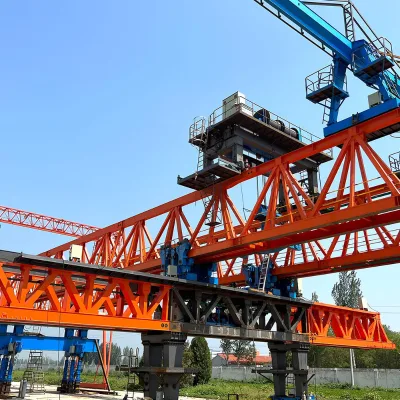
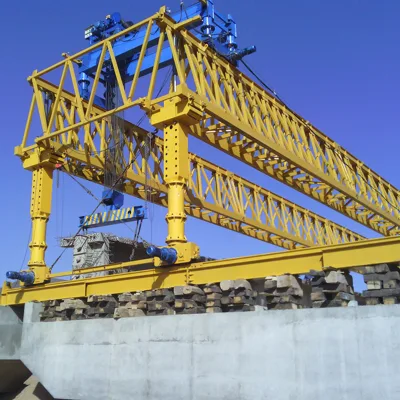

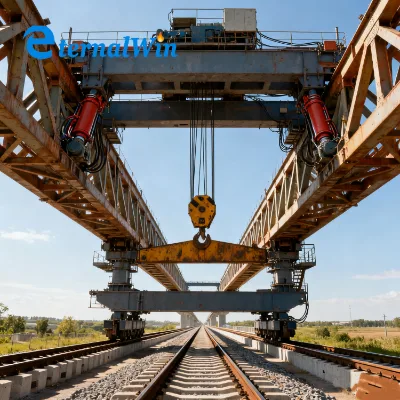
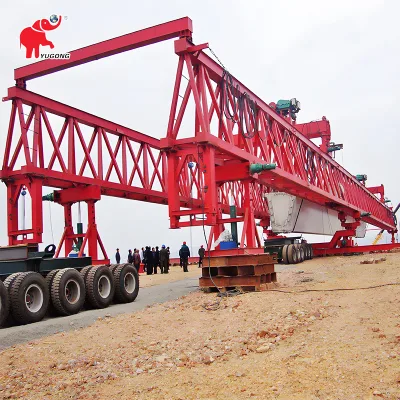
Factory Outlet 160 Ton Double Truss Beam Launcher for Highway Bridge Building
$99999.00 - $3999999.00
MOQ: 1 Pieces




Comprehensive Sourcing Guide
Strategic Sourcing Guide for Double Girder Beam Launchers
The procurement of a Double Girder Beam Launcher represents a significant capital investment for infrastructure projects, particularly in the construction of bridges and large-span buildings. These specialized machines are engineered to transport and install heavy precast girders with precision, often in environments where traditional cranes cannot operate. Sourcing these units requires a disciplined approach that prioritizes technical compatibility, regulatory compliance, and supplier reliability over initial price points. The following guide outlines the critical factors buyers must evaluate to ensure the acquisition of equipment that meets rigorous operational demands.
Technical Specifications and Operational Parameters
When evaluating double girder beam launchers, the primary focus must be on the alignment between the machine's rated capacity and the specific requirements of the bridge or building project. The core technical parameters include the rated lifting load, span capabilities, and lifting height. In the current market, specifications vary significantly based on the model and intended application. Some units are rated for a lifting load of 120 tons, while others may require consultation for specific project needs. The span, which refers to the distance between the supporting legs, is a critical dimension that dictates the width of the structure the launcher can traverse. Observed ranges in the market span from 10 to 60 meters, with specific models offering configurations between 20 and 50 meters, and others extending up to 70 meters.
The structural design of the girder is another vital technical consideration. Buyers should verify whether the unit utilizes a box type or truss type girder structure. Box type girders generally offer higher torsional rigidity, which is beneficial for long spans, while truss types may offer weight advantages for specific configurations. The lifting mechanism is typically an electric trolley, and the control method can vary between pendant control and remote control systems. Remote control options provide enhanced safety and operator flexibility, especially in complex site conditions. Furthermore, the travel speeds for the crane and the trolley are essential for project scheduling. Standard configurations often list crane traveling speeds between 0 and 5 meters per minute, with trolley cross-travel speeds ranging from 0 to 4.5 meters per minute. Lifting speeds are generally slower, often cited between 0 and 1 meter per minute, to ensure precise placement of heavy loads.
Power supply requirements must also be strictly matched to the site's electrical infrastructure. The standard power source for these industrial units is a three-phase 380V 50Hz supply. However, suppliers may offer customization options to accommodate different voltage or frequency requirements. The working temperature range is another environmental factor to consider, with typical operational limits ranging from -25 to 45 degrees Celsius. Understanding these parameters ensures the selected launcher can function effectively in the specific climatic conditions of the project site.
Compliance, Certification, and Safety Standards
Ensuring that a Double Girder Beam Launcher meets international safety and quality standards is non-negotiable for B2B procurement. Compliance with certifications such as CE, ISO, and GOST is often a prerequisite for project approval, particularly in international markets. The presence of CE certification indicates conformity with health, safety, and environmental protection standards for products sold within the European Economic Area. Similarly, ISO certifications, including ISO 9001 for quality management and GOST for specific regional standards, demonstrate that the manufacturer adheres to rigorous production and testing protocols.
Buyers must verify the validity of these certifications rather than accepting them as generic claims. The core components of the launcher, which include the engine, bearings, gearbox, motor, and pressure vessel, must also be sourced from reputable manufacturers to ensure durability and safety. High-quality electrical parts, often described as "top brand" components, contribute significantly to the reliability of the machine. The warranty period is another indicator of the manufacturer's confidence in their product; a standard warranty of two years is common, but buyers should carefully review the terms and conditions regarding coverage for critical components.
Additionally, the video outgoing-inspection process provided by some suppliers offers a transparent method for verifying the final assembly and testing of the equipment before shipment. This visual verification can help confirm that the machine meets the agreed-upon specifications and that all safety mechanisms are functional. Buyers should request detailed inspection reports and video evidence as part of the pre-shipment quality assurance process.
Cost Drivers and Financial Considerations
The total cost of ownership for a Double Girder Beam Launcher is influenced by several factors beyond the initial purchase price. The rated lifting moment, which can reach up to 30,000 ton-meters in high-capacity models, is a primary driver of cost, as it dictates the size and strength of the structural components. The weight of the unit is another significant factor; observed weights range from 20,000 kg to over 98,000 kg, impacting shipping logistics and installation costs. The single gross weight and package dimensions, such as 120x50x50 cm for certain models, must be considered when planning transportation and site access.
Supply ability is also a crucial financial consideration. Manufacturers with a high supply ability, such as 1,500 sets per year, may offer more competitive pricing due to economies of scale, but buyers must ensure that production capacity aligns with their project timeline. The minimum order quantity (MOQ) is typically one unit, allowing for flexibility in procurement, but buyers should be aware that customizations or specific model requirements may affect lead times and costs.
It is important to note that the observed price range in the market is extremely wide, spanning from $15 to nearly $4,000,000. This variance reflects differences in capacity, customization, and brand positioning. Buyers should avoid basing decisions solely on the lowest price, as this often correlates with compromises in quality, safety, or after-sales support. Instead, the focus should be on the value proposition, including the longevity of the equipment, the availability of spare parts, and the comprehensiveness of the warranty.
Typical Applications and Project Suitability
Double girder beam launchers are primarily designed for heavy-duty applications in the construction of bridges and large-span buildings. Their ability to handle massive loads and traverse long spans makes them indispensable for infrastructure projects where traditional lifting methods are impractical. The specific application of a launcher depends on the span requirements and the weight of the girders being installed. For instance, models with a span of 30 to 70 meters are suitable for major bridge crossings, while those with a span of 10 to 60 meters may be used for smaller structures or industrial facilities.
The working duty classification, often ranging from A5 to A7, indicates the intensity of use the machine is designed to withstand. Higher duty classes are suitable for projects requiring frequent and continuous operation, such as large-scale bridge construction sites. Buyers must match the duty class of the launcher to the expected workload of the project to prevent premature wear and potential safety hazards.
Furthermore, the maximum lifting height is a critical parameter for projects involving multi-story buildings or bridges with significant vertical clearance requirements. Observed maximum lifting heights range from 25 to 45 meters, and in some configurations, up to 30 meters. Selecting a launcher with the appropriate lifting height ensures that the equipment can reach the necessary installation points without the need for additional auxiliary equipment.
Supplier Evaluation and Vendor Selection
Selecting the right supplier is as important as selecting the right equipment. Buyers should evaluate potential suppliers based on their manufacturing capabilities, technical expertise, and track record in the industry. The brand name of the supplier, such as Zongtu, Dowell, or Hengshan, can provide insights into their market position and reputation. However, buyers should not rely solely on brand recognition but should conduct a thorough due diligence process.
Key evaluation criteria include the supplier's ability to provide comprehensive after-sales services, such as field installation, commissioning, and training. These services are essential for ensuring that the equipment is installed correctly and that the operating team is fully trained to use it safely and efficiently. The availability of spare parts and the responsiveness of the technical support team are also critical factors.
Buyers should also assess the supplier's production capacity and lead times. A supplier with a high supply ability, such as 1,500 sets per year, may be better equipped to handle large orders and tight deadlines. However, buyers must verify that the supplier can meet the specific timeline of their project. Additionally, the place of origin, such as Henan, China, should be considered in the context of logistics and shipping costs.
Quality Control and Inspection Protocols
Quality control is a fundamental aspect of the procurement process for double girder beam launchers. Buyers should implement a rigorous inspection protocol that covers all stages of production, from raw material sourcing to final assembly and testing. The core components, including the engine, bearings, gearbox, and motor, must be inspected to ensure they meet the specified quality standards. The use of high-quality electrical parts and certified components is essential for the long-term reliability of the machine.
Pre-shipment inspections are particularly important. Buyers should request video outgoing-inspection reports to verify the final condition of the equipment. These reports should include visual confirmation of the machine's structural integrity, the functionality of the lifting mechanism, and the proper installation of safety features. Additionally, buyers should verify that the machine has undergone necessary testing procedures to ensure it meets the required performance standards.
The warranty period is another indicator of the manufacturer's commitment to quality. A standard warranty of two years is common, but buyers should carefully review the terms to understand what is covered and what is excluded. It is also advisable to negotiate extended warranty options or service contracts to mitigate the risk of unexpected downtime.
Long-Term Procurement and Lifecycle Management
The procurement of a Double Girder Beam Launcher is a long-term investment that requires careful planning for lifecycle management. Buyers should consider the total cost of ownership, including maintenance, repairs, and potential upgrades. The availability of spare parts and the supplier's ability to provide timely support are crucial for minimizing downtime and ensuring the continued operation of the equipment.
Buyers should also plan for the eventual decommissioning and disposal of the launcher. Environmental regulations and safety standards may dictate specific procedures for the disposal of heavy machinery. Understanding these requirements in advance can help avoid unexpected costs and compliance issues.
Finally, buyers should maintain a close relationship with the supplier to ensure ongoing support and technical assistance. Regular communication and collaboration can help address any issues that arise during the operation of the equipment and ensure that the launcher continues to meet the evolving needs of the project. By adopting a strategic approach to procurement and lifecycle management, buyers can maximize the value and utility of their Double Girder Beam Launcher investment.
Comparative Analysis of Key Specifications
To assist buyers in making informed decisions, the following table summarizes the key technical specifications observed in the market for double girder beam launchers. This comparison highlights the variability in specifications and underscores the importance of matching equipment to specific project requirements.
| Specification | Range / Option A | Range / Option B | Range / Option C |
|---|---|---|---|
| Rated Lifting Load | 120 Ton | Consult | 100 Ton |
| Span | 10-60 M | 20-50 M | 30-70 M |
| Max. Lifting Height | 25 M | 30 M | 45 M |
| Crane Travel Speed | 0-5 m/min | 0-2.0 m/min | 0-3.1 m/min |
| Trolley Speed | 0-4.5 m/min | 0-1 m/min | 0-1 m/min |
| Power Supply | 3 Phase 380V 50Hz | 3 Phase 380V 50Hz | AC 380V 50Hz 3Phase |
| Control Method | Pendent | Remote Control | Pendent |
| Girder Structure | Box Type | Truss Type | Box/Truss |
| Certification | CE ISO | CE GOST ISO | CE ISO9001 |
| Weight (KG) | 100,000 kg | 20,000 kg | 98,520 kg |
This table illustrates the diversity of configurations available in the market. Buyers must carefully evaluate these parameters against their project needs to select the most suitable unit. The wide range of options emphasizes the need for a detailed technical review and consultation with suppliers to ensure the selected launcher meets all operational and safety requirements.
FAQs
What is the rated lifting load capacity for this Double Girder Beam Launcher?
The rated lifting load capacity is 120 tons for specific models, while others require consultation for exact figures. Some configurations list a rated loading capacity of 120T, but buyers must verify the specific model number and application requirements before finalizing the purchase.
Which span ranges are available for double girder beam launchers?
Available span ranges vary from 10 to 60 meters, with specific models offering configurations between 20 and 50 meters, and others extending up to 70 meters. The structural design supports both box type and truss type girders to accommodate these varying span requirements.
Can the power supply be customized for different voltage requirements?
Yes, the standard power supply is 3 phase 380V 50Hz, but suppliers offer customization options to accommodate different voltage or frequency requirements. This flexibility ensures the machine can function effectively in the specific electrical infrastructure of the project site.
What certifications do these double girder beam launchers typically hold?
These units typically hold CE, ISO, and GOST certifications, with some models specifically listing ISO9001 for quality management. Buyers must verify the validity of these certifications to ensure the equipment meets international safety and quality standards for their specific project.
How long is the warranty period for the Double Girder Beam Launcher?
The standard warranty period is two years, covering the machine against defects and ensuring manufacturer confidence in the product. Buyers should carefully review the terms and conditions regarding coverage for critical components like the engine, gearbox, and motor during this period.
What is the maximum lifting height for these bridge beam launchers?
The maximum lifting height ranges from 25 to 45 meters depending on the specific model and configuration. Selecting a launcher with the appropriate lifting height ensures the equipment can reach necessary installation points without requiring additional auxiliary equipment.